Top Trends in Home Healthcare Billing Solutions for 2024

A healthcare professional having a conversation with two people regarding home healthcare billing solutions.

Top Trends in Home Healthcare Billing Solutions for 2024

A healthcare professional having a conversation with two people regarding home healthcare billing solutions.

With the ever-evolving land of healthcare services, home health providers are facing new challenges in billing and coding practices in 2024. Let’s delve into the key trends and best practices shaping home health billing solutions for the upcoming year.

What are the critical billing challenges in-home healthcare for 2024?

Streamlining Coding and Billing Processes

One of the primary challenges faced by home care agencies is streamlining coding and billing processes to ensure accuracy and efficiency. Optimizing these processes can lead to better reimbursement outcomes and improved revenue generation.

Maximizing Revenue Cycle Efficiency

Maximizing revenue cycle efficiency is crucial for home health agencies to maintain financial stability. By leveraging advanced billing software and automation tools, providers can streamline billing and collections to optimize revenue streams

Ensuring Compliance with Payer Regulations

Ensuring compliance with payer regulations is paramount in the healthcare industry. By staying updated with the latest rules and adhering to compliance standards, home health providers can avoid legal issues and maintain a reputation of integrity.

How can home care agencies optimize their billing services in 2024?

Outsourcing Billing and Coding Tasks

One effective strategy for optimizing billing services is to outsource billing and coding tasks to specialized agencies. By leveraging the expertise of external providers, home care agencies can ensure accurate coding and streamlined billing practices.

Leveraging AI for Billing Automation

Artificial Intelligence (AI) technology offers innovative solutions for billing automation in home healthcare. Implementing AI-powered tools can improve billing accuracy, reduce manual errors, and enhance revenue cycle management efficiency.

Implementing Value-Based Care Billing Models

Transitioning to value-based care billing models can help home health agencies focus on delivering quality care services while ensuring optimal reimbursement. By aligning billing practices with patient outcomes, providers can improve healthcare delivery.

What are the emerging trends in medical coding for home health care in 2024?

Integrating DME Coding Practices

Integrating Durable Medical Equipment (DME) coding practices is essential for accurate billing in home health care. Proper coding of equipment and supplies ensures that services provided are appropriately documented for reimbursement purposes.

Utilizing Big Data Analytics for Billing Insights

Big data analytics can provide valuable insights into billing trends and revenue cycle performance. By analyzing data patterns, home health agencies can identify areas for improvement and optimize billing accuracy for enhanced financial outcomes.

Enhancing Financial Services for Improved Cash Flow

Enhancing financial services involves implementing efficient billing and collections strategies to improve cash flow in home healthcare. By adopting best practices and leveraging technology, providers can streamline revenue processes and ensure financial stability.

How can home health agencies enhance patient care through advanced billing solutions?

Implementing Telehealth Billing Strategies

Telehealth billing strategies offer a convenient way to provide remote care services to patients. By integrating telehealth into billing practices, home health agencies can enhance patient access to care and improve overall healthcare delivery.

Advancing Billing Practices with Artificial Intelligence

Advancing billing practices with Artificial Intelligence (AI) can transform the way home health providers manage billing processes. AI algorithms can streamline billing workflows, optimize reimbursement processes, and ensure billing accuracy for better financial outcomes.

Optimizing Reimbursement Processes for Better Revenue Generation

Optimizing reimbursement processes is essential for maximizing revenue generation in home healthcare. Providers can improve cash flow and financial performance by focusing on accurate medical coding, timely claims submission, and efficient follow-up procedures.

Why is compliance crucial in home healthcare billing for 2024?

Reducing Administrative Burden through Compliance Efforts

Compliance with regulatory standards can help reduce the administrative burden on home health agencies. By implementing compliance efforts, providers can streamline billing processes and focus on delivering quality care services to patients.

Ensuring Proper Claims Submission and Follow-up Procedures

Proper claims submission and follow-up procedures are essential for accurate reimbursement in home healthcare. By adhering to best practices and staying compliant with payer regulations, providers can avoid claim denials and enhance revenue cycle efficiency.

Maintaining Cash Flow Stability with Compliant Billing Practices

Maintaining cash flow stability relies on compliant billing practices in home healthcare. By ensuring accurate coding, proper documentation, and adherence to billing regulations, home health agencies can secure steady cash flow to support their operations.

Need more help?
Get A Free Practice Audit!

Recent Post

Get Free Medical Billing Audit

How Healthcare Technology Impacts on Medical Billing and Coding in Primary Care

A woman in glasses focused on her computer, working diligently. Illustration for Primary care coding.

How Healthcare Technology Impacts on Medical Billing and Coding in Primary Care

A woman in glasses focused on her computer, working diligently. Illustration for Primary care coding.

Technology plays a important role in medical billing and coding, revolutionizing the way healthcare providers manage their financial transactions and documentation. The integration of cutting-edge technology has significantly impacted the efficiency and accuracy of billing processes, leading to improved patient care and economic outcomes.

What is the Role of Technology in Medical Billing and Coding?

Automation in medical billing has brought numerous benefits to healthcare facilities. It streamlines the reimbursement process and reduces the likelihood of coding errors. This automation allows for faster claim submissions, leading to quicker payments and improved revenue cycle management. Additionally, using artificial intelligence in coding technology has enhanced the accuracy and speed of coding tasks, optimizing the coding process and reducing the burden on medical coders.

Benefits of Automation in Medical Billing

By automating the medical billing process, healthcare providers can minimize the need for manual data entry and repetitive tasks, saving time and reducing the likelihood of errors. Automation streamlines the billing workflow, making it more efficient and cost-effective for healthcare organizations.

Future of Autonomous Coding

As technology advances, the future of medical coding may see the rise of autonomous coding systems that can independently assign codes based on clinical documentation. These systems could revolutionize the coding process, allowing for faster and more accurate coding ultimately improving the overall efficiency of healthcare organizations.

How Does Technology Transform Medical Billing Processes?

Technology has transformed medical billing processes by integrating electronic health records into the billing system. Electronic health records store patient information and streamline the billing process by automatically generating claims based on the services provided. Automation in health record management further enhances the efficiency of billing processes, reducing the time and resources required to submit claims and process payments.

Utilizing Electronic Health Records for Billing

Electronic health records have revolutionized how healthcare providers manage patient information and billing data. By integrating electronic health records into billing systems, providers can easily access patient records and generate accurate claims, leading to improved billing accuracy and faster reimbursement.

Automation in Health Record Management

Automation in health record management simplifies documenting healthcare services and ensures accurate coding is applied to each patient encounter. This automation reduces the risk of coding errors and enhances the overall efficiency of the billing process, benefiting both healthcare providers and patients.

Enhancing Efficiency in the Billing Process

Technology has enhanced the efficiency of the billing process by automating repetitive tasks and streamlining claim submissions. By leveraging technology to improve billing processes, healthcare providers can focus more on patient care while ensuring timely and accurate reimbursement for services rendered.

What Challenges do Coders Face with Advancing Technology?

While technology has brought numerous benefits to medical billing and coding, coders face challenges adapting to evolving coding technology. One of the main challenges is ensuring coding accuracy in automated systems, as errors can still occur even with advanced technology. Coders must also navigate complex coding process regulations and ensure compliance with changing industry standards.

Adapting to Coding Technology Changes

As coding technology evolves, medical coders must adapt to new systems and processes to remain efficient and accurate in their coding tasks. Continuous education and training are essential for coders to stay updated on the latest coding technologies and guidelines.

Maintaining Coding Accuracy in Automated Systems

With the increasing use of automated coding systems, coders must ensure the accuracy of code assignments and verify that the codes align with the services provided. Regular audits and checks are necessary to prevent errors and discrepancies in the billing process.

Ensuring Compliance with Coding Process Regulations

Compliance with coding process regulations is crucial for healthcare providers to avoid penalties and maintain the integrity of their billing practices. Coders must stay informed about coding guidelines and regulations to ensure accurate code assignment and billing documentation.

How is Technology Reshaping the Future of the Healthcare Industry?

Technology is reshaping the future of the healthcare industry by improving revenue cycle management and enhancing analytics for healthcare systems. Implementing artificial intelligence in coding has the potential to optimize payer reimbursement and streamline the billing process, leading to more efficient and profitable healthcare organizations.

Improving Revenue Cycle Management with Technology

Technology is vital in improving revenue cycle management by automating billing processes, accelerating claim submissions, and reducing payment delays. By utilizing technology to optimize revenue cycle management, healthcare providers can enhance financial performance and ensure sustainable growth.

Enhancing Analytics for Healthcare Systems

Advanced analytics tools enable healthcare systems to analyze data and identify trends that can improve patient outcomes and operational efficiency. By leveraging analytics, healthcare providers can make informed decisions and implement strategies to enhance the quality of care and optimize resource allocation.

Innovations in Radiology Coding and Billing

Radiology coding and billing are evolving rapidly, with new technologies and coding guidelines shaping the landscape of radiology services. Innovations in radiology coding are expected to improve accuracy and efficiency in billing processes, benefiting healthcare providers and patients.

Need more help?
Get A Free Practice Audit!

Recent Post

Get Free Medical Billing Audit

5 Common Challenges Faced in Mental Health Medical Billing

A doctor discussing mental health medical billing with a patient in a room.

5 Common Challenges Faced in Mental Health Medical Billing

A doctor discussing mental health medical billing with a patient in a room.

Importance of Proper Coding in Mental Health Billing

When it comes to mental health billing, the importance of proper coding cannot be overstated. Correct coding ensures that healthcare providers are accurately reimbursed for the services they provide to patients. This process involves assigning specific codes to various mental health services, treatments, and procedures, which are then used for billing and insurance purposes. Without accurate coding, providers risk delayed payments and potential legal issues.

Common Errors in Mental Health Billing

One of the most common errors in mental health billing is inaccurate coding. This can lead to claim denials, delayed payments, and revenue losses for healthcare providers. Other common errors include billing for services not rendered, incorrect patient information, and failure to follow up on denied claims. These errors highlight the importance of thorough checking and review processes to ensure the accuracy of billing submissions.

Benefits of Outsourcing Mental Health Billing

Outsourcing mental health billing services can offer numerous benefits to healthcare providers. By partnering with a professional billing company, providers can reduce billing errors, streamline revenue cycles, and improve overall efficiency. Outsourcing also allows providers to focus more on patient care, rather than getting bogged down by administrative tasks. It can be a cost-effective solution for managing the complex billing processes in the mental health industry.

Challenges in Medical Billing for Mental Health Providers

Impact of Billing Issues on Mental Health Providers

Billing issues can have a significant impact on mental health providers, both financially and operationally. Delays in reimbursement, claim denials, and billing errors can interrupt cash flow and hinder the ability to provide quality care to patients. Addressing these challenges is crucial to the sustainability of mental health practices and ensuring that patients receive the treatment they need in a timely manner.

Solutions for Common Medical Billing Challenges

To overcome common medical billing challenges in the mental health field, providers can implement various solutions. These include investing in billing software that automates processes, training staff on proper billing procedures, and regular audits to identify and address billing errors promptly. By proactively addressing these challenges, providers can improve revenue cycles and enhance practice efficiency.

Utilizing CPT Codes in Mental Healthcare Billing

CPT codes play a crucial role in mental healthcare billing by accurately describing the services provided to patients. These codes help standardize the billing process, ensure compliance with insurance requirements, and facilitate smoother reimbursement processes. Mental health providers must stay updated on the latest CPT code changes and guidelines to avoid billing errors and maximize reimbursement for their services.

Addressing Billing Errors in Mental Health Services

Role of Billing Software in Minimizing Errors

Billing software can play a crucial role in minimizing errors in mental health billing processes. Advanced software solutions can automate coding, claims submissions, and payment tracking, reducing the likelihood of errors and streamlining the billing workflow. By leveraging technology, mental health providers can improve accuracy, efficiency, and revenue generation in their practices.

Training Staff to Avoid Billing Mistakes

Properly training staff on billing procedures and coding practices is essential to avoid common billing mistakes. By providing ongoing education and resources, healthcare providers can empower their staff to accurately document services, submit claims correctly, and follow up on denials. Investing in staff training can ultimately lead to fewer billing errors and improved financial outcomes for mental health practices.

Implementing Billing Solutions for Efficiency

Implementing comprehensive billing solutions tailored to mental health services can enhance operational efficiency and revenue generation. These solutions may include integrating electronic health records (EHR) systems with billing software, establishing clear billing protocols, and conducting regular audits to identify and address errors. By taking a proactive approach to billing management, providers can optimize financial performance while delivering high-quality care to patients.

The Importance of Healthcare Provider Billing Process

Ensuring Efficient Reimbursement Processes

Efficient reimbursement processes are vital for healthcare providers, especially in the mental health sector where timely payments directly impact patient care. Providers must streamline billing processes, verify insurance coverage, and promptly address denials to ensure consistent cash flow and sustainability. By prioritizing efficient reimbursement processes, providers can focus on delivering quality care to their patients without financial constraints.

Dealing with Denials from Insurance Companies

Denials from insurance companies are a common challenge in healthcare billing, including mental health services. Providers should have a systematic approach to handling denials, including appeals processes, identifying trends in denials, and addressing root causes to prevent future rejections. By effectively managing denials, providers can optimize revenue streams and maintain financial stability in their practices.

Billing Challenges Faced in Patient Care Settings

In patient care settings, billing challenges can arise due to complex insurance requirements, changing regulations, and the need for accurate documentation. Providers must ensure that billing practices align with patient care goals, maintain compliance with industry standards, and address patient concerns related to billing and reimbursement. By navigating these challenges effectively, providers can build trust with patients and improve overall practice operations.

Optimizing Mental Health Billing with Proper Documentation

Utilizing Electronic Health Records (EHR) for Billing

Electronic Health Records (EHR) play a critical role in optimizing mental health billing processes by providing a centralized platform for comprehensive patient documentation. EHR systems streamline billing workflows, ensure data accuracy, and facilitate seamless communication between providers and payers. By leveraging EHR for billing purposes, mental health practices can enhance efficiency, reduce errors, and improve the overall quality of care delivery.

Common Challenges in Mental Health Billing Documentation

Challenges in mental health billing documentation often revolve around ensuring compliance with privacy regulations, maintaining accuracy in clinical notes, and capturing all billable services provided to patients. Providers must establish standardized documentation practices, train staff on proper documentation protocols, and conduct regular audits to ensure compliance and accuracy. By addressing these challenges proactively, providers can mitigate billing errors and enhance revenue potential.

Addressing Mental Health Billing Errors Effectively

Effectively addressing mental health billing errors requires a systematic approach that involves identifying root causes, implementing corrective actions, and monitoring outcomes. Providers should conduct regular audits, engage in continuous staff training, and leverage technology solutions to minimize errors and optimize billing processes. By taking a proactive stance on addressing billing errors, mental health practices can improve financial performance and deliver better outcomes for their patients.

Table of Contents

Need more help?
Get A Free Practice Audit!

Recent Post

Get Free Medical Billing Audit

Top 10 Pediatric Electronic Health Records Software for 2025

A man receiving a foot massage from another man. Image related to Pediatric Electronic Health Records.

Managing a pediatric practice comes with unique challenges—and that’s where Pediatric Electronic Health Records Software becomes your clinic’s best ally.
As someone who’s worked closely with pediatricians and practice managers, I’ve seen how the right EHR system can transform workflows, improve patient care, and even reduce stress during busy clinic hours. In this guide, we’ll explore the top pediatric electronic medical records, real insights from users, and how to choose the best pediatric EMR for your team.

Continue reading

Medical Credentialing Services for provider enrollment

Two men shaking hands in an office, discussing credentialing for the provider.

Medical Credentialing Services for provider enrollment

Two men shaking hands in an office, discussing credentialing for the provider.

Medical credentialing services play a important role in the healthcare industry. They ensure that healthcare providers meet the necessary standards and requirements to deliver quality patient care while ensuring reimbursement for their services. Credentialing involves a thorough verification process to confirm healthcare providers’ qualifications, experience, and background. This article explores the importance of credentialing services for provider enrollment and how they can benefit healthcare organizations and individual providers.

What is Credentialing Service, and Why is it Important?

At its core, a credentialing service verifies the qualifications and background of healthcare providers before they can deliver services and receive reimbursement from insurance companies. Understanding the credentialing process is crucial as it involves verifying a provider’s education, training, licensure, and work history to ensure they meet the standards set by healthcare organizations.

Provider credentialing offers several benefits for healthcare organizations. It ensures that healthcare providers are qualified to deliver safe and effective care to patients and helps maintain the organization’s reputation and credibility by only affiliating with competent providers.

Insurance credentialing is equally important for healthcare providers. It allows them to be in-network with insurance companies, expanding their patient base and ensuring timely and proper reimbursement for services rendered.

How to Navigate Provider Credentialing Services?

Provider enrollment typically involves submitting credentialing applications to insurance companies and other payers for approval. Understanding the key steps in physician credentialing, such as completing application forms, providing supporting documentation, and undergoing primary source verification, is essential.

Healthcare organizations can choose between outsourcing and in-house provider credentialing services. While in-house services offer more control, outsourcing can save time and resources, especially for solo practitioners or small medical practices.

Physician credentialing involves a detailed verification process to ensure that new providers meet the criteria set by insurance plans and healthcare organizations. It is a time-consuming but necessary process to ensure providers are qualified to deliver patient care.

What Are the Common Challenges in Insurance Credentialing?

Dealing with payers and Medicare in credentialing can be challenging due to the stringent requirements and documentation needed for approval. Re-credentialing is also a crucial aspect, requiring providers to undergo periodic reviews to maintain their credentials and eligibility for reimbursement.

Outsourcing insurance credentialing services can help healthcare providers navigate the complexities of the process more efficiently. It allows providers to focus on patient care while experts handle the credentialing and contracting with insurance companies.

Efficient medical billing relies on accurate credentialing to ensure proper reimbursement for healthcare services. Verification processes for new providers are essential to confirm their credentials and eligibility to be part of an insurance plan’s network.

How to Ensure Efficient Medical Billing Through Credentialing Services?

Credentialing plays a vital role in ensuring proper billing practices in medical practices. It helps verify providers’ qualifications and eligibility for reimbursement, reduce billing errors, and ensure compliance with insurance plans and regulations.

Ensuring CAQH compliance for provider credentialing is essential for healthcare providers to be recognized by insurance companies. CAQH offers a centralized database for providers to store and maintain their credentialing information for easy access by payers.

The verification process in billing for new providers includes confirming their credentials, licensing, and malpractice history to ensure they meet the standards set by insurance plans and healthcare organizations.

What Are the Benefits of Enrollment Services for Healthcare Providers?

Enrollment and credentialing services simplify the process for healthcare providers to join insurance networks and start receiving reimbursement for their services. Being an in-network provider allows providers to access a larger patient pool and streamline the billing and reimbursement process.

Outsourcing enrollment services can benefit healthcare organizations by saving time and resources to manage enrollment and credentialing. It allows providers to focus on patient care while experts handle the administrative tasks of credentialing and contracting with insurance companies.

In conclusion, medical credentialing services are essential for provider enrollment in the healthcare industry. By understanding the credentialing process, navigating provider credentialing services, addressing challenges in insurance credentialing, ensuring efficient medical billing, and utilizing enrollment services, healthcare providers can streamline their operations and focus on providing quality care to patients.

Need more help?
Get A Free Practice Audit!

Recent Post

Get Free Medical Billing Audit

Benefits of Using Internal Medicine EHR Software in Your Practice

A doctor sitting at his desk, waving, discussing benefits of using EHR software in internal medicine billing.

Benefits of Using Internal Medicine EHR Software in Your Practice

A doctor sitting at his desk, waving, discussing benefits of using EHR software in internal medicine billing.

Electronic Health Records (EHR) have revolutionized the way healthcare is delivered and managed across various medical specialties. In internal medicine practices, the use of EHR systems plays a crucial role in enhancing patient care, improving workflow efficiency, and streamlining practice management processes.

What is the Role of EHR in Internal Medicine Practices?

One of the key advantages of utilizing EHR systems in internal medicine practices is the enhancement of patient care. EHR software allows healthcare providers to access comprehensive health records, including medical history, medications, allergies, and lab results, leading to more informed clinical decision-making and improved patient outcomes.

Moreover, EHR solutions contribute to improving workflow efficiency within the practice by reducing redundant tasks, such as manual data entry and paper chart management. By automating processes and integrating health information, internal medicine practitioners can save time and focus more on delivering quality care to their patients.

Utilizing EHR templates specific to internal medicine enables healthcare professionals to efficiently document patient encounters, ensuring accurate and standardized data entry. These templates streamline the documentation process and facilitate coding and billing procedures, ultimately enhancing practice operations.

How Can EHR Software Benefit Internal Medicine Practices?

Internal medicine practices can significantly benefit from EHR systems in various ways. Quality reporting is enhanced through EHR systems by enabling healthcare providers to track and report on clinical quality measures, ensuring compliance with standards, and improving patient care outcomes.

EHR solutions also enhance practice management in internal medicine by offering features such as appointment scheduling, billing, and inventory management. By centralizing these functions within a comprehensive platform, practices can improve efficiency and productivity.

Furthermore, the use of EHR software leads to improved patient care through features like medication management, clinical decision support, and patient education resources. These tools help healthcare providers prevent medical errors, promote patient safety, and deliver personalized care.

What are the Potential Benefits of Switching to Internal Medicine EHR?

Switching to internal medicine EHR systems can result in significant benefits for practices. By utilizing EHR systems, internal medicine practitioners can enhance the quality of care delivered to their patients by accessing real-time health information and treatment histories, enabling informed decision-making.

Streamlining practice management processes through EHR software leads to operational efficiencies, improved communication among healthcare staff, and streamlined billing and coding practices. This not only optimizes practice workflows but also enhances the overall patient experience.

EHR systems facilitate coding and billing processes by automating claims submission, revenue cycle management, and reimbursement tracking. These features help practices maximize revenue, reduce billing errors, and ensure compliance with coding regulations.

How Does Internal Medicine EHR Software Help in Population Health?

Internal medicine EHR software plays a important role in population health management by providing healthcare providers with comprehensive patient information for proactive care interventions. By leveraging patient data and analytics, practices can identify at-risk populations and implement preventive strategies.

Implementing decision support tools within EHR systems enables primary care providers in internal medicine to make evidence-based clinical decisions, adhere to best practices, and improve patient outcomes. These tools enhance clinical efficiency and support better patient care.

Enhancing reimbursement and billing practices through EHR systems ensures accurate claims processing, timely reimbursement, and compliance with billing requirements. By leveraging EHR software for revenue cycle management, internal medicine practices can optimize financial performance and minimize payment delays.

What Are Some Key Features of Internal Medicine EHR Systems?

Internal medicine EHR systems offer essential features that cater to the specific needs of medical practices in this specialty. Ensuring data security and patient privacy is a fundamental aspect of EHR systems, protecting sensitive health information from unauthorized access.

Improving public health reporting is supported by EHR software through the generation of accurate and timely reports on population health trends, disease surveillance, and immunization records. These reports contribute to public health initiatives and improve community health.

Patient portals integrated into internal medicine EHR systems allow patients to access their health records, schedule appointments, request prescription refills, and communicate with their healthcare providers electronically. Patient portals enhance patient engagement, satisfaction, and self-management of health.

Need more help?
Get A Free Practice Audit!

Recent Post

Get Free Medical Billing Audit

5 Benefit of Outsourcing Medical Insurance Credentialing

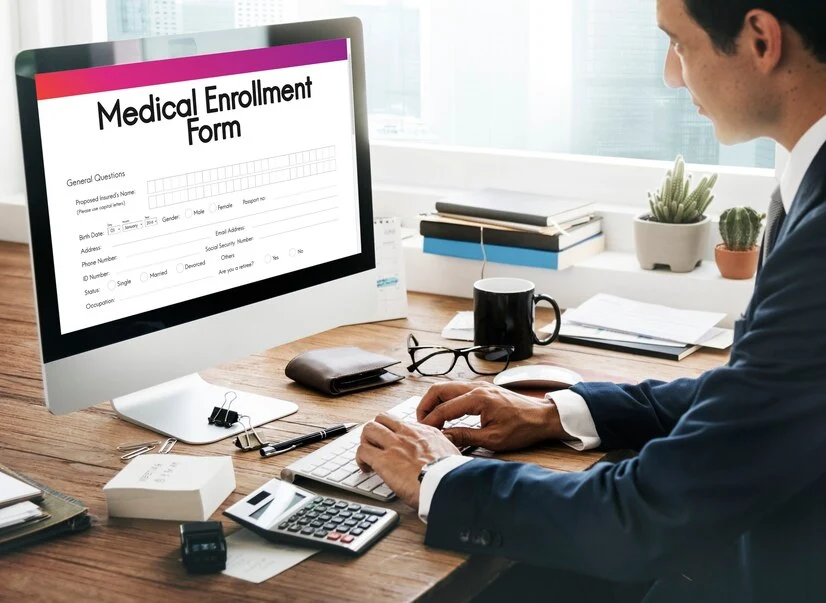
Computer screen displaying medical employment form for insurance credentialing services.

5 Benefit of Outsourcing Medical Insurance Credentialing

Computer screen displaying medical employment form for insurance credentialing services.

Medical insurance credentialing is the process through which healthcare providers undergo verification and approval by insurance companies to participate in their networks. This process ensures that providers meet specific quality and competency standards set by the insurers to become credentialed.

Explanation of Medical Insurance Credentialing Process

Credentialing involves submitting detailed information about the provider’s qualifications, education, training, licensure, and professional experience to verify their credentials. Insurance companies then review this data to verify the provider’s eligibility to join their health plan.

Significance of Credentialing for Healthcare Providers

Credentialing is crucial for healthcare providers as it allows them to attract more patients, increase their credibility, and secure timely reimbursements for their services to insured individuals.

Common Challenges in Credentialing for Providers

When undergoing the credentialing process, healthcare providers often face challenges such as complex paperwork, lengthy verification processes, and keeping up-to-date with changing insurance requirements.

How Can Outsourcing Credentialing Services Benefit Healthcare Providers?

Outsourcing credentialing services can offer several advantages to healthcare providers, including cost-effectiveness, streamlined processes, and improved revenue cycle management.

Cost-Effectiveness of Outsourcing Credentialing

By outsourcing credentialing, medical practices can save on administrative costs associated with in-house credentialing staff, training, and technology expenses, streamlining the process and enhancing cost-effectiveness.

Improved Revenue Cycle Management

Outsourcing credentialing can lead to faster reimbursements, reduced claim denials, and improved cash flow, thereby optimizing healthcare organizations’ revenue cycles. This is an example of how medical practices can benefit from outsourced credentialing and medical billing.

Streamlining Provider Enrollment Processes

Outsourcing provider enrollment and credentialing can simplify onboarding new providers, ensure compliance with insurance company requirements, and expedite the enrollment process.

What are the critical features of outsourcing provider credentials?

Outsourcing provider credentialing offers benefits such as efficient medical billing and payment processing, enhanced provider-insurer communication, and improved compliance with industry regulations.

Efficient Billing and Payment Processing

By outsourcing credentialing, healthcare practices can ensure accurate coding, timely claim submissions, and efficient payment processing, leading to a more effective billing system. This integrates medical billing with the benefits of outsourcing credentialing, contributing to a more streamlined process.

Enhanced Provider-Insurer Communication

Outsourced credentialing services facilitate better communication between providers and insurers, ensuring prompt resolution of medical billing, reimbursements, and coverage issues.

Ensuring Compliance with Insurance Company Requirements

Outsourcing credentialing helps medical practices stay up-to-date with the latest regulatory changes and insurance company guidelines, reducing the risk of compliance violations and ensuring they remain credentialed.

Why Should Healthcare Practices Consider Outsourcing Credentialing and Provider Enrollment?

Healthcare practices should consider outsourcing credentialing and provider enrollment to focus on patient care, optimize revenues, and avoid time-consuming verification processes

Focus on Patient Care Instead of Administrative Tasks

By outsourcing credentialing, healthcare providers can redirect their time and resources toward patient care, improving quality of service and patient satisfaction. This demonstrates one of the many benefits of outsourcing credentialing, as it allows staff members to focus more on patients.

Maximizing Revenues through Expert Credentialing Services

Outsourcing credentialing to specialized professionals can generate revenue through faster reimbursements, minimize billing errors, and improve revenue cycle management, demonstrating the economic benefits of outsourcing credentialing for medical practices.

Reducing Time-Consuming Verification Processes

Outsourcing credentialing services helps save time on verification procedures, allowing medical practices to expedite the enrollment of providers and start offering services more rapidly.

Looking ahead to 2024, the future of credentialing and provider enrollment

Looking ahead to 2024, the future of credentialing and provider enrollment is likely to see advancements in automation, improved payer-provider relationships, and enhanced benefits for healthcare practices.

2024 Outlook for Credentialing and Billing Services

In 2024, credentialing processes are expected to become more streamlined and automated, reducing manual intervention and increasing billing and payment processing efficiency.

Innovations in Payer-Provider Relationships

The future will witness closer collaboration between payers and providers, leading to improved communication, better contract negotiation, and enhanced network participation for healthcare organizations.

Benefits of Credentialing Automation for Healthcare Practices

Automated credentialing systems will offer healthcare practices enhanced accuracy, faster turnaround times, and increased compliance with regulatory standards, boosting operational efficiency and streamlining the process.

Need more help?
Get A Free Practice Audit!

Recent Post

Get Free Medical Billing Audit

3 Ways to Streamline Your Depression Health Billing Process

A woman sitting on a couch with a doctor discussing Depression mental health Billing Process.

3 Ways to Streamline Your Depression Health Billing Process

A woman sitting on a couch with a doctor discussing Depression mental health Billing Process.

Running a successful health practice involves more than just providing top-notch services to your clients. It’s also crucial to ensure that your billing process is optimized for efficiency and accuracy, especially for mental and behavioral health services. 

By streamlining your depression health billing process, you can save time, reduce errors, and ultimately improve your practice’s financial health. This article will explore three key strategies to help mental health professionals enhance their billing procedures and maximize reimbursement through efficient insurance billing practices.

How to Optimize Your Billing Process

Implementing Efficient CPT Codes

One fundamental aspect of streamlining your depression health billing process is utilizing efficient CPT codes. CPT codes, or Current Procedural Terminology codes, are essential for accurately documenting patient services. 

By ensuring that you use the correct codes for each service, including ICD codes for mental health billing, you enhance coding accuracy and expedite the billing process.

Utilizing Behavioral Health Billing Software

Consider investing in behavioral health billing software to streamline your billing operations further. This specialized software is designed to meet the unique needs of health professionals and therapists. With features tailored to mental health services.

such as streamlined claims processes and compliant billing codes, behavioral health billing software can significantly improve the efficiency of your billing process.

Improving Coding Accuracy for Health Services

Accurate coding, especially with the use of ICD codes, is paramount in the healthcare industry to ensure that you receive proper reimbursement for your medical services. By improving coding accuracy for health services, you can minimize the risk of rejected claims and optimize your revenue. Regular training for your staff on coding guidelines, specifically ICD codes and updates, can help maintain coding accuracy and compliance with health organizations’ standards, especially in behavioral and mental health.

Enhancing Practice Management for Mental Health Billing

Mental Health Billing Services

Streamlining mental health billing services involves optimizing every step of the billing process, from initial service provided to insurance claim submissions, ensuring the use of the correct codes for mental health billing. By identifying inefficiencies in your current workflow and implementing solutions to streamline the process, you can save time and resources while ensuring timely reimbursement for your services.

Utilizing Private Practice Management Software

Private practice management software, often available with a free trial, is a valuable tool for health practitioners, including behavioral health professionals, looking to enhance their billing processes. This software helps manage appointments and patient records and offers features specifically designed for billing and claims processing. Integrating private practice management software into your practice allows mental health providers to simplify billing workflows and improve overall practice management efficiency.

Maximizing Reimbursement Through Efficient Billing Processes

To maximize reimbursement for your mental health services, it’s essential to implement efficient billing processes and adopt a robust billing system designed for mental health professionals. This includes regular monitoring of claims, following up on unpaid claims, and identifying patterns that may lead to rejected claims. By proactively managing your billing operations and leveraging technology to streamline the process, you can ensure that you receive timely and accurate reimbursement for the behavioral health services you provide.

Utilizing Electronic Health Records for Billing Efficiency

Integrating ICD-10 Codes for Behavioral Health Billing

Integrating ICD-10 codes, the international classification of diseases, into your behavioral health billing process can improve coding accuracy and streamline insurance claim submissions, benefiting mental health providers. 

These standardized codes help identify the diagnoses and procedures performed during patient visits, ensuring that your billing is precise and compliant with industry standards.

Seamless Insurance Claim Submissions

Submitting insurance claims for mental and behavioral health services can be a complex process that requires attention to detail and accuracy in coding. Utilizing electronic health records (EHR) systems allows mental health providers to simplify insurance claim submissions by automatically generating claims based on the services provided. This reduces the chances of errors and speeds up the reimbursement process, allowing you to focus more on providing quality care to your patients.

Using Portals for Simplified Billing Workflow

Electronic portals provided by payers can offer a streamlined approach to billing workflow. These portals allow health professionals to track claims, check the status of payments, and communicate with payers directly. By leveraging portals for simplified billing workflow, you can enhance transparency in your billing process and promptly address any discrepancies or issues.

In conclusion, optimizing your depression health billing process is essential for maintaining the financial health of your practice and ensuring timely reimbursement for the valuable services you provide. You can streamline your billing operations and enhance practice management efficiency by implementing efficient CPT codes, utilizing specialized billing software, and leveraging electronic health records.

 Remember, focusing on coding accuracy, maximizing reimbursement, and simplifying the claims process can help you successfully navigate the complex world of mental health billing with precise insurance billing and using codes for mental health billing.

Need more help?
Get A Free Practice Audit!

Recent Post

Get Free Medical Billing Audit

Top Trends in Gastroenterology Billing for 2024

A man and woman sit at a table with a doctor, discussing Gastroenterology.

Top Trends in Gastroenterology Billing for 2024

A man and woman sit at a table with a doctor, discussing Gastroenterology.

Gastroenterology billing practices in 2024 continue to evolve rapidly, driven by various factors shaping the landscape of healthcare reimbursement. As gastroenterologists and practices navigate the field of gastroenterology, it’s crucial to stay informed about the top trends influencing billing procedures. From the impact of Medicare cuts to the role of CPT codes, let’s delve into the key aspects defining gastroenterology billing practices for 2024.

Gastroenterology Billing Practices in 2024

Impact of Medicare Cuts on Gastroenterology Billing

The impact of Medicare cuts on gastroenterology billing cannot be underestimated in 2024. Gastroenterologists are facing challenges in maintaining revenue streams due to reimbursement reductions by Medicare. This trend necessitates practices to streamline their billing processes and ensure accurate billing to mitigate financial losses.

Future Billing Trends in Gastroenterology Practices

Looking ahead, the future of gastroenterology billing is likely to witness continued advancements in technology and billing practices. Practices may adopt innovative approaches to enhance billing accuracy and efficiency, such as integrating AI in coding and billing systems for gastroenterology services.

Role of CPT Codes in Gastroenterology Billing

CPT codes play a important role in gastroenterology billing by accurately documenting medical procedures and services provided to patients. Gastroenterologists rely on these codes for accurate billing and coding, ensuring compliance with billing regulations and maximizing reimbursements.

Rising Reimbursement Challenges

Medicare Payment Trends for Gastroenterologists

In 2024, understanding the Medicare payment trends for gastroenterologists is essential for optimizing reimbursement strategies. Gastroenterology practices must stay updated on 2024 Medicare payment policies to navigate the evolving reimbursement landscape effectively.

ASC Billing and Coding Updates in Gastroenterology

Ambulatory Surgery Centers (ASCs) play a significant role in gastroenterology billing and coding. Keeping abreast of the latest updates in ASC billing practices ensures gastroenterologists can accurately capture and report procedures performed in these settings.

Addressing Health Equity in Gastroenterology Reimbursement

Promoting health equity in gastroenterology reimbursement is a crucial priority for practices in 2024. Enhancing payer communication and implementing strategies to address disparities in reimbursement can help improve access to quality care for all patients.

Advancements in Technology for Gastroenterology Billing

Utilizing Billing Software for Efficient Revenue Cycle Management

Embracing billing software solutions is crucial for efficient revenue cycle management in gastroenterology practices. Leveraging technology can streamline billing processes, improve billing accuracy, and enhance overall financial performance.

Integration of AI in Coding and Billing for Gastroenterology Services

The integration of artificial intelligence (AI) in coding and billing processes offers significant benefits to gastroenterology practices. AI can automate coding tasks, identify coding errors, and optimize billing workflows to ensure accurate reimbursement for services rendered.

Implications of Outsourcing Billing Processes for Gastroenterology Practices

expertise and resources to manage billing efficiently. By partnering with professional billing services, practices can streamline operations, reduce billing errors, and focus on delivering quality patient care.

Ensuring Patient Care Through Effective Billing Practices

Promoting Transparency in Billing for Gastroenterology Patients

Fostering transparency in billing practices is essential to building trust with gastroenterology patients. Clear communication about billing processes, costs, and insurance coverage can improve patient satisfaction and facilitate smooth billing experiences.

Improving Patient Billing Experience in Gastroenterology Practices

Enhancing the patient billing experience is a priority for gastroenterology practices seeking to provide high-quality care. By implementing user-friendly billing systems, offering financial assistance options, and providing clear billing explanations, practices can improve patient satisfaction and loyalty.

Enhancing Payer Communication for Streamlined Reimbursement in Gastroenterology

Effective communication with payers is vital for streamlined reimbursement in gastroenterology. Establishing open channels of communication, addressing payer queries promptly, and advocating for fair reimbursement rates can support practices in optimizing revenue and sustaining operations.

Need more help?
Get A Free Practice Audit!

Recent Post

Get Free Medical Billing Audit

Latest Updates in Cardiology Billing Regulations

A medical bill for cardiology services, including tests, procedures, and consultations.

Latest Updates in Cardiology Billing Regulations

A medical bill for cardiology services, including tests, procedures, and consultations.

Cardiology billing is a important aspect of medical practices specializing in heart care. It involves the intricate process of documenting, coding, and submitting claims for cardiology services rendered to patients. Keeping up with the latest updates in cardiology billing regulations is essential for healthcare providers to ensure accurate reimbursement and compliance with industry standards, highlighting the importance of a comprehensive management service in cardiology billing.

Exploring Cardiology Billing Challenges

Common Challenges Faced in Cardiology Billing

Cardiology billing presents various challenges due to the complexity of procedures and the need for detailed documentation, which necessitates robust medical billing services to handle the intricate details of cardiology procedures and accurate documentation. 

One common issue is ensuring accurate coding for specific cardiology services to avoid claim denials. Additionally, understanding medical necessity requirements for cardiac procedures can be a challenge for billing professionals.

Strategies to Overcome Billing Challenges in Cardiology

To overcome challenges in cardiology billing, healthcare providers can implement strategies such as regular training for billing teams on coding guidelines specific to cardiology. Utilizing billing software designed for cardiology practices can streamline the billing process and enhance accuracy. 

Conducting regular audits to review billing practices can also help identify areas for improvement and reduce errors in the billing and coding process, ensuring more efficient management services for cardiology practices.

Impact of Coding Guidelines on Cardiology Billing

Coding guidelines play a important role in cardiology billing as they determine how procedures and services are documented and billed. Staying updated on coding changes specific to cardiology is essential to ensure accurate coding and proper reimbursement, emphasizing the role of medical coding services in maintaining financial health for healthcare providers. 

Failure to adhere to coding guidelines can result in claim denials and compliance issues, stressing the significance of medical billing and coding expertise in avoiding financial and legal repercussions in cardiology practice.

Navigating the Complexities of the Cardiology Billing Process

Key Steps in the Cardiology Billing Process

The cardiology billing process involves several key steps, including patient registration, documentation of services provided, assigning appropriate billing codes, claim submission to payers, and follow-up on reimbursements. Each step requires attention to detail to ensure accurate billing and timely reimbursement.

Utilizing Billing Software for Efficient Cardiology Billing

Billing software tailored for cardiology practices can streamline billing processes by automating tasks such as code assignments, claim submissions, and tracking reimbursements, thereby reducing errors and improving the efficiency of billing services. 

These tools help reduce manual errors and improve billing accuracy, ultimately optimizing revenue cycle management in cardiology practice, showcasing the critical role of billing services and coding accuracy in enhancing financial outcomes.

Compliance Requirements in Cardiology Billing

Compliance with billing and coding regulations is a critical aspect of cardiology billing to avoid legal issues and penalties, underscoring the need for accurate documentation and adherence to established guidelines.

 Healthcare providers must adhere to regulations specific to cardiology billing, including proper documentation of services, accurate coding, and ethical billing practices, to ensure compliance and facilitate accurate reimbursement for cardiology procedures. Failure to comply with regulatory requirements can result in audits and fines.

Enhancing Compliance in Cardiology Billing

Understanding Cardiology Billing Guidelines and Regulations

Healthcare providers must have a thorough understanding of cardiology billing guidelines and regulations set forth by authorities such as the American College of Cardiology. Staying informed about updates and changes in billing requirements helps ensure compliance and accurate reimbursement for cardiology services.

Importance of Following Billing Guidelines for Cardiology Services

Following billing guidelines for cardiology services is crucial to avoid claim denials and compliance issues. Providers should document services accurately, use appropriate billing codes, and ensure that medical necessity requirements are met. By following guidelines, healthcare providers uphold ethical billing practices and maintain trust with payers.

Ensuring Proper Documentation for Compliance in Cardiology Billing

Proper documentation is key to compliance in cardiology billing. Healthcare providers must accurately record services provided, patient information, and medical necessity for procedures, emphasizing the critical role of precise medical record management and billing services in the healthcare reimbursement process. 

Thorough documentation not only supports reimbursement claims but also demonstrates the quality of care delivered to patients, underlining the importance of accurate documentation and medical coding in ensuring proper billing for cardiology services.

The Role of Payers in Cardiology Billing

Processes with Payers in Cardiology Billing

Payers play a important role in the cardiology billing process as they determine reimbursement rates and coverage for services, highlighting the importance of efficient billing and coding practices in ensuring proper reimbursement for cardiology procedures. 

Understanding the reimbursement processes with different payers is essential for healthcare providers to optimize revenue and minimize claim denials. Building strong relationships with payers can facilitate smoother reimbursement processes, where effective communication and accurate coding and billing practices play a crucial role.

Challenges Associated with Payers in Cardiology Billing

Dealing with payers in cardiology billing can present challenges such as complex reimbursement policies, claim disputes, and delays in payments. Healthcare providers need to navigate payer requirements effectively to ensure timely and accurate reimbursements for cardiology services rendered.

Optimizing Claims Submission to Payers for Efficient Billing

To optimize claims submission to payers, healthcare providers should focus on accurate coding, proper documentation, and timely claim submissions. Implementing efficient billing practices and leveraging technology can improve the billing process and enhance revenue cycle management in cardiology practice, with a focus on reducing errors through accurate billing and documentation.

Optimizing Revenue Cycle Management in Cardiology Practice

Effective Strategies for Revenue Cycle Management in Cardiology

Effective revenue cycle management is essential for the financial health of cardiology practices. Providers can implement strategies such as analyzing billing patterns, monitoring claim denials, and optimizing coding processes to maximize reimbursements. Regular performance reviews can help identify areas for improvement in revenue cycle management.

Outsourcing Options for Enhancing Revenue Cycle Management in Cardiology

Some cardiology practices may opt to outsource revenue cycle management to medical billing companies specializing in cardiology services. Outsourcing medical billing services can help streamline billing processes, reduce administrative burden, and ensure compliance with billing regulations, thereby enhancing the efficiency and accuracy of medical record handling. Choosing a reputable medical billing company is crucial for successful revenue cycle management.

Maximizing Reimbursements in Cardiology Practice Through Efficient Billing

Efficient billing practices are essential for maximizing reimbursements in cardiology practice. Providers should focus on accurate coding, timely claim submissions, and thorough documentation to support reimbursement claims. By optimizing billing processes and staying compliant with regulations, cardiology practices can enhance financial performance and patient care delivery.

Need more help?
Get A Free Practice Audit!

Recent Post

Get Free Medical Billing Audit